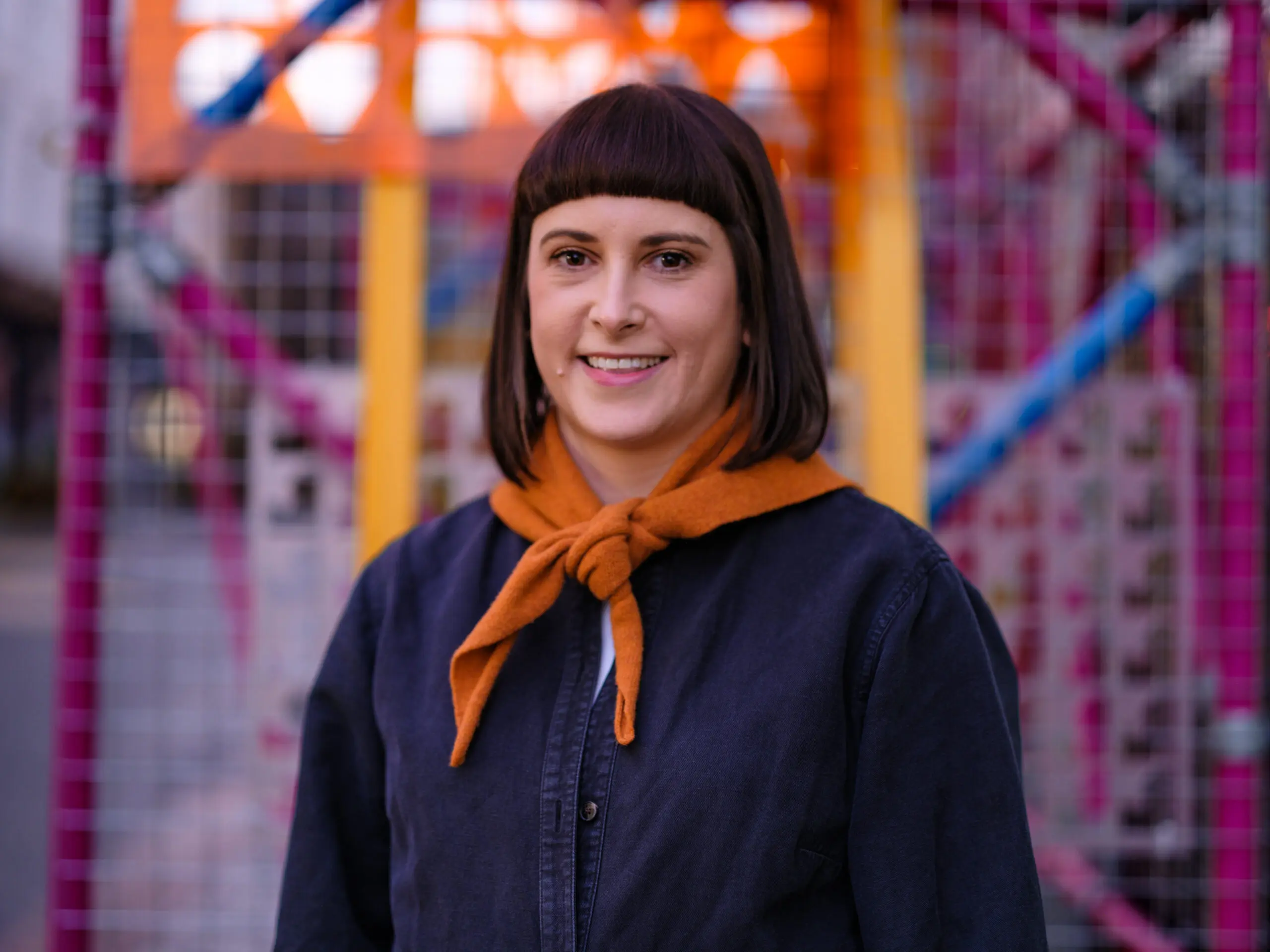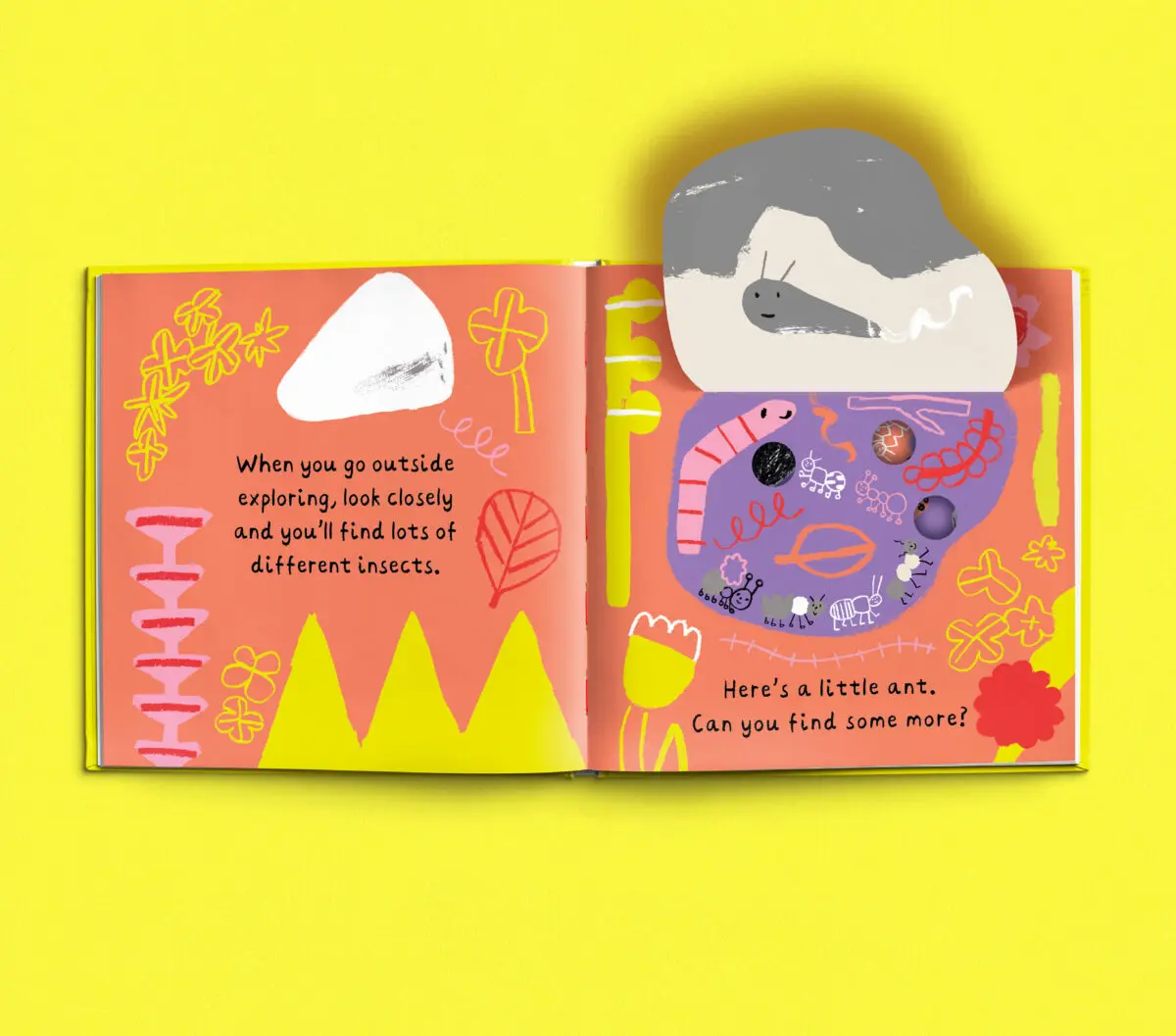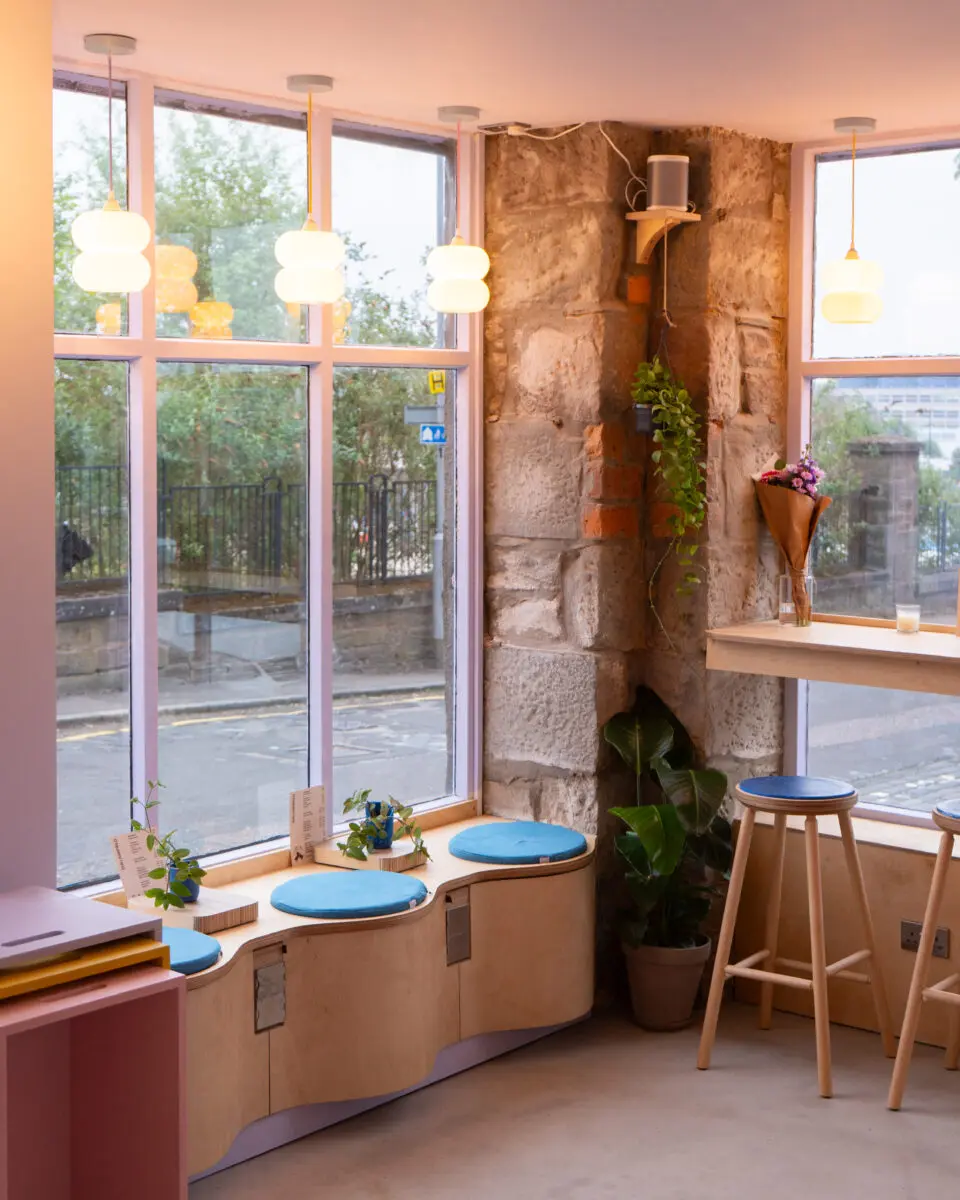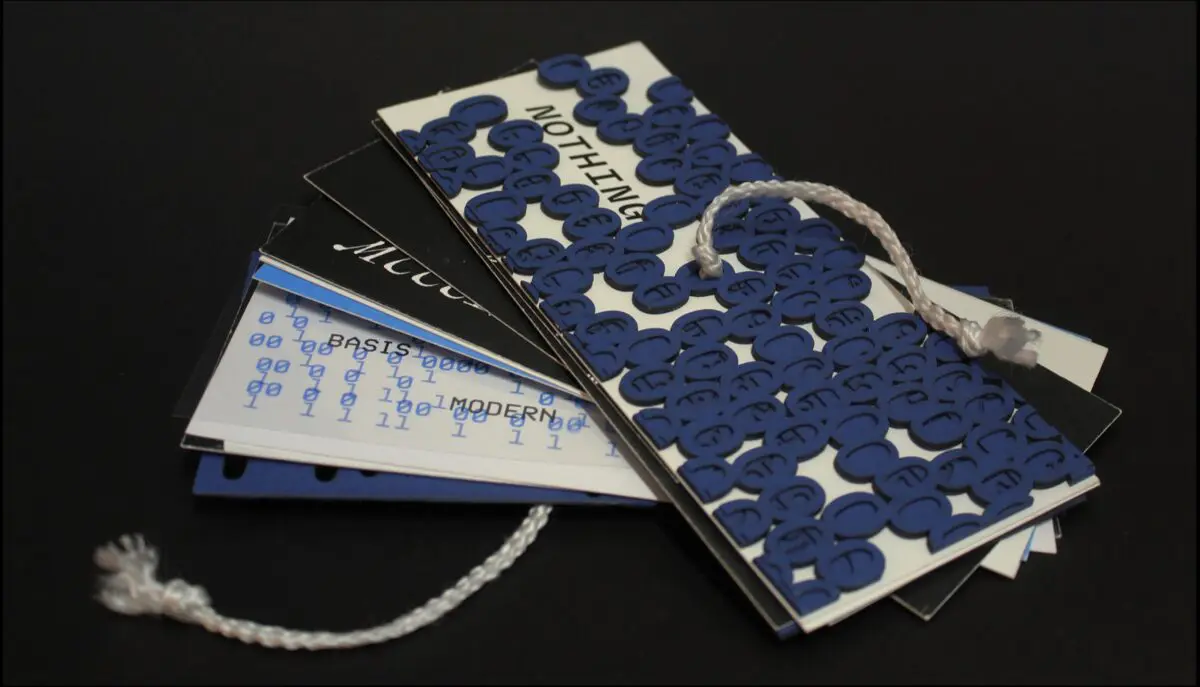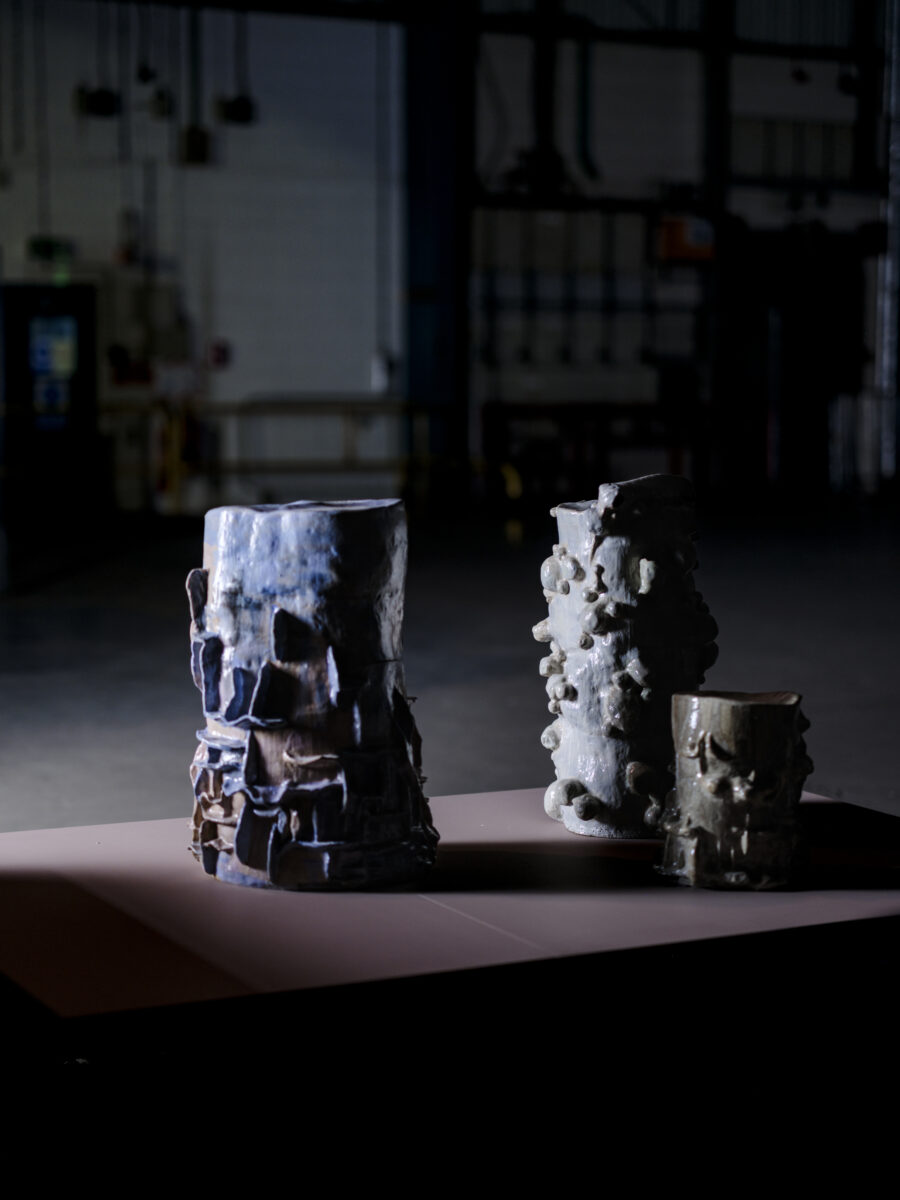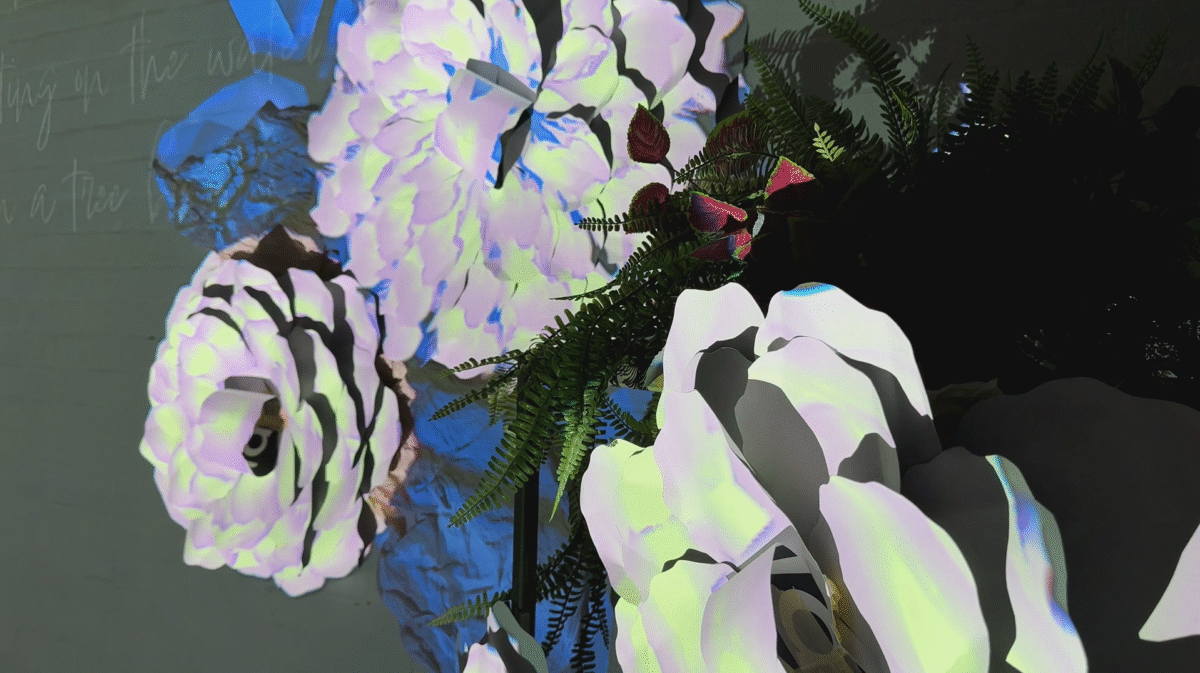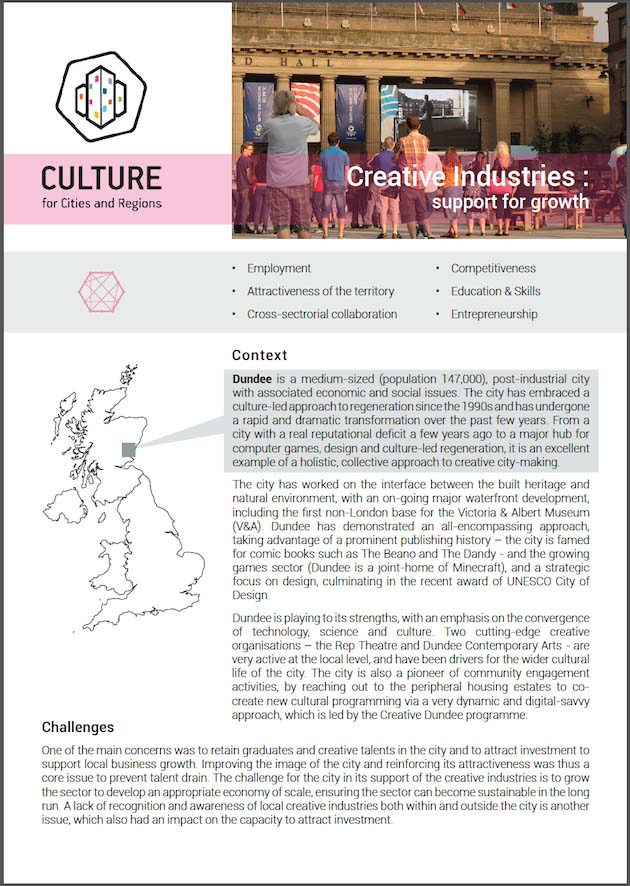
Header Image: Hannah Sabapathy, ‘PROCESS’ at Dundee Design Festival 2024, curated by Dr Stacey Hunter, photography by Grant Anderson.
——
PRESS RELEASE, 18th December 2025
Designers selected for new international New Zealand-Scotland textile residency
FREE TO USE IMAGES: https://tinyurl.com/mr52cara
Whanganui designer Matthew McIntyre Wilson and Dundee designer Hannah Sabapathy have been selected for a new international residency programme, strengthening ties between two UNESCO Cities of Design through ancestral textile practices.
The Textile Legacies programme will see the designers exchange cities in 2026, with Sabapathy arriving in Whanganui in March and Wilson departing for Dundee in April. The initiative marks the first formal creative exchange between the two cities since both achieved UNESCO City of Design status.
Selected by international and local panellists, the designers will each spend a month learning and sharing with the local design community, bringing unique cultural perspectives that will broaden creative practices in both cities.
Both Whanganui and Dundee have long-standing textile traditions that are powerful expressions of place-based cultural identity. The long-standing textile traditions of Whanganui and Dundee are powerful expressions of place-based cultural identity. Simultaneously, these histories also carry complex legacies — including the impacts of colonisation, war, and cultural suppression — which have shaped and, at times, disrupted cultural development. The resurgence of traditional textile techniques provides an opportunity for design heritage to shape contemporary identities and creative practices.
Matthew McIntyre Wilson is a Whanganui-based practitioner whose work intertwines Māori cultural practices, museological inquiry, and contemporary craft.
“This residency offers a rare opportunity to deepen my work in raranga whakairo (patterned weaving)”, says Wilson. “Engaging with early Māori textiles held in Scotland will strengthen my understanding of their histories and techniques.”
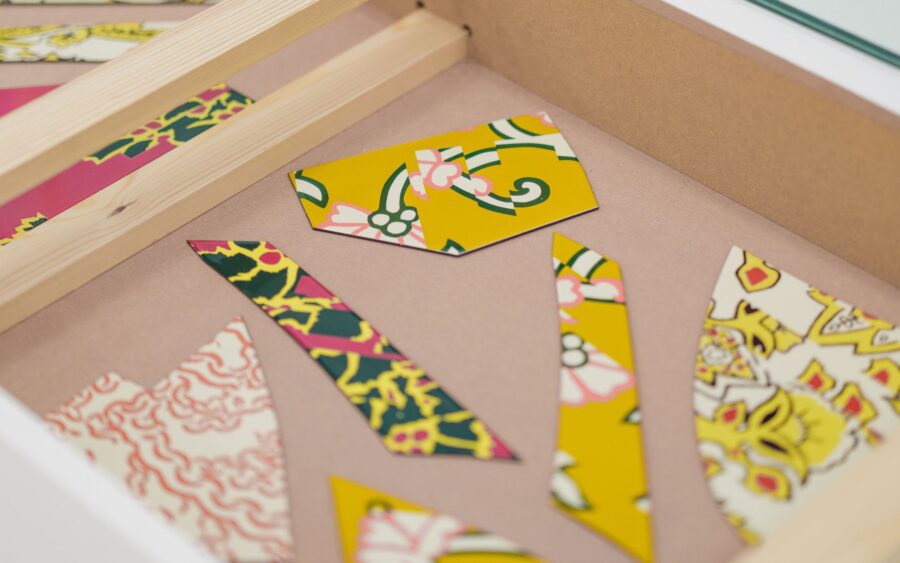
Hannah Sabapathy is a Dundee-based artist and researcher. Hannah trained as a printed textile designer and uses this knowledge to interrogate the power dynamics behind South Asian and British textile design history through pattern.
“I’m delighted to be participating in the Whanganui x Dundee: Textile Legacies residency!” says Sabapathy. “It will extend my work around the politics of pattern design, enabling me to explore the complexities of materiality in the context of Whanganui.”
The exchange, supported by local organisations such as Verdant Works and Te Whare o Rehua Sarjeant Gallery, reinforces both cities as leaders in heritage-led design innovation.
“This collaboration benefits both locations and demonstrates how smaller cities can lead in cultural diplomacy” says Emma Bugden, Focal Point at UNESCO City of Design Whanganui. “This is the value of the UNESCO Creative Cities Network offering knowledge transfer, collaborative projects, and international partnerships.”
“At UNESCO City of Design Dundee, we believe in the power of design and the essential place of designers in the life of our city.” says Lizzie Day, Project Coordinator at UNESCO City of Design Dundee. “We are very excited to welcome Matthew to Dundee in 2026 and for Dundee’s own Hannah Sabapathy to journey to New Zealand – we anticipate this project will spark deeper connections and we hope that long-term collaboration with Whanganui will emerge from this initial exchange.”
“Cultural exchange is at the heart of the British Council’s Connections Through Culture programme” says Natasha Beckman, Director at British Council New Zealand and the Pacific. “When designers share ancestral textile practices across cultures, they can preserve heritage while opening new creative possibilities. We hope this exchange between Matthew McIntyre Wilson and Hannah Sabapathy will create lasting connections between Whanganui and Dundee, help grow our creative industries, and enrich design practice in both UNESCO Cities of Design for years to come.”
The residency runs from March to April 2026, with outcomes to be shared publicly in both cities.
END
For UK media enquiries, please contact elizabeth.day@leisureandculturedundee.com
For NZ media enquiries, please contact Eilish.Horrocks@whanganuiandpartners.nz
Whanganui X Dundee: Textile Legacies is coordinated by UNESCO City of Design Dundee and UNESCO City of Design Whanganui and supported by the British Council New Zealand and the Pacific’s Connections Through Culture Programme.
Dundee UNESCO City of Design
Since 2014, Dundee has been the UK’s only UNESCO City of Design. This global designation as a Creative City acknowledges Dundee’s rich design heritage, its thriving contemporary design sector and a city committed to using design to solve problems and make Dundee a better place to live.
cityofdesigndundee.com
@designdundee / Instagram & Facebook
@designdundee.bsky.social / Bluesky
Whanganui UNESCO City of Design
In 2021, Whanganui was announced as New Zealand’s only UNESCO City of Design, one of 49 such cities worldwide, in recognition of the city’s exceptional creativity, innovative spirit, cultural integrity and strength of artistic tradition.
Whanganui’s City of Design status is not only a recognition of its creative heritage, it also reflects the unique significance of indigenous cultural identity and the direction the city is taking.
cityofdesignwhanganui.nz
@whanganuiandpartners / LinkedIn & Facebook
Designer Bios
Matthew McIntyre Wilson
Matthew McIntyre Wilson (Taranaki, Ngā Māhanga, Tītahi) is a practitioner whose work brings together Māori cultural practices, museological inquiry, and contemporary craft. Based in Whanganui, his practice is grounded in a sustained commitment to revitalising ancestral knowledge while expanding the possibilities of object-making today. Trained initially as a jeweller at Whitireia Polytechnic and Hawke’s Bay Polytechnic, his early focus on fine metalwork later converged with the weaving knowledge he learned under the guidance of master weaver and close friend Rangi Kiu. This convergence created a distinct practice in which jewellery and fibre technologies intertwine, enabling him to create intricately woven forms such as kete, tātua, armbands, and kākahu using both customary and contemporary materials.
Matthew’s whakapapa links to Puniho and Oeo Pā in Taranaki, and his papakāinga at Kākahi, where the Whakapapa and Whanganui Rivers meet. The environmental and cultural histories of these places continue to shape his thinking, informing his relationship to the natural world and to the stylistic and conceptual foundations of his work. The artistic legacy of his grandfather, painter Peter McIntyre, further deepened his connection to place and observation.
Central to his practice is the study of taonga held in museums. Through close examination of hīnaki, korotete, kupenga, and other woven objects, he re-engages with the embedded knowledge systems carried within their construction. This research underpins his ongoing exploration of how traditional technologies and design principles can be reactivated in contemporary contexts, forming an artistic language that honours generational knowledge while responding to present-day conversations around identity, museology, and cultural continuity.
Hannah Sabapathy
Hannah Sabapathy is an artist and researcher based in Dundee. She trained as a printed textile designer, and uses pattern and a variety of materials to interrogate the power dynamics behind South Asian and British textile design history.
She is currently a Leeds Opportunity Research Scholar undertaking a practice-based PhD at The University of Leeds. Hannah’s series of fourteen vitreous enamel panels for the 20/20 Residency with The Decolonising Institute, University of Arts has been acquired by The Harris Museum Preston and are on display at the newly reopened museum. Other recent commissions have been a collaborative light projection of Kashmiri textiles from the Cultural Institute, University of Leeds for Leeds Light Night.
She has undertaken residencies at Hospitalfield, Dundee Contemporary Arts Print Studio and Cove Park, as well as The Harris Museum.